Introduction to Next-Generation Graphics
Unveiling the Nvidia RTX 5060 Ti: A Paradigm Shift in Graphics Memory
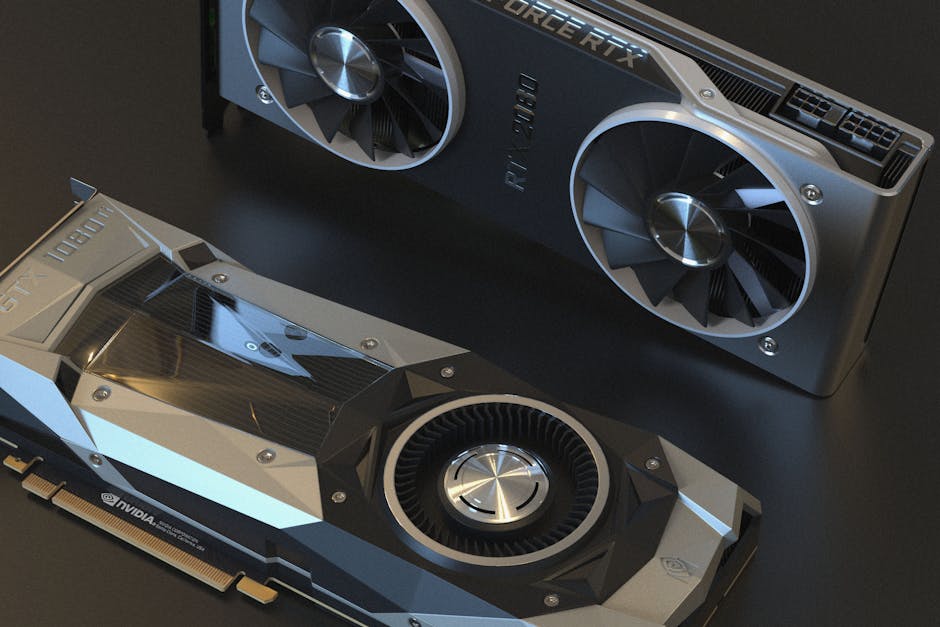
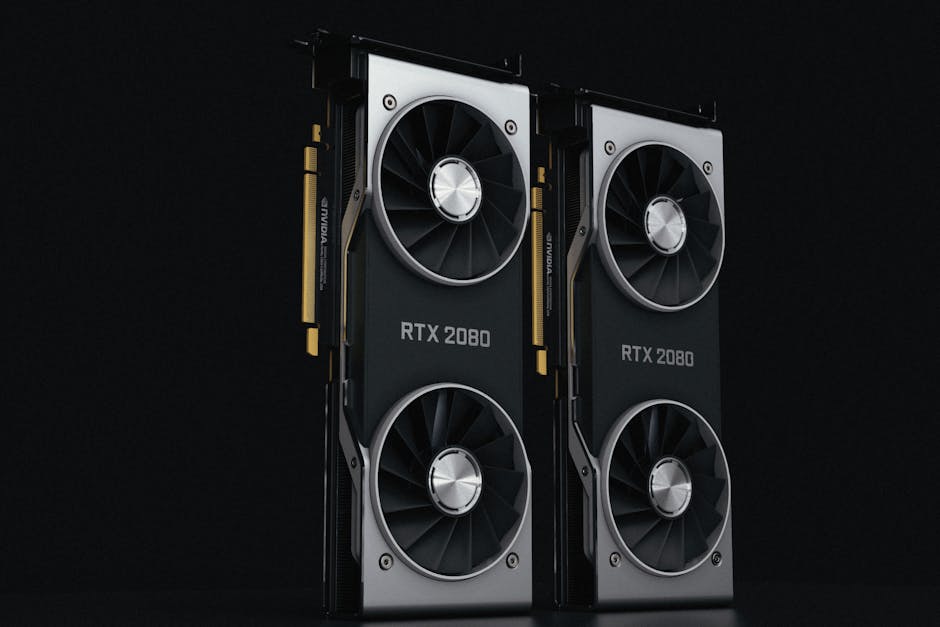
Nvidia, a pioneer in the field of graphics processing units (GPUs), has been at the forefront of innovation, consistently pushing the boundaries of what is possible in the realm of computer graphics. Recent rumors have been circulating about the upcoming RTX 5060 Ti, which is expected to introduce a fresh approach to memory management. This new approach is anticipated to have a significant impact on the engineering and design of future GPUs, potentially disrupting the market and paving the way for a new generation of graphics cards.
Engineering Impact: A New Memory Paradigm
Understanding the Current Memory Architecture
Current GPUs, including Nvidia's previous generations, rely on a combination of GDDR6 (Graphics Double Data Rate type 6) and HBM2 (High-Bandwidth Memory 2) for their memory needs. While these technologies have served the industry well, they are beginning to show their limitations, particularly in terms of bandwidth and power consumption. The rumored RTX 5060 Ti is expected to adopt a new memory approach, potentially leveraging advancements in GDDR7 or even more exotic memory technologies like HBM3 or GDDR7X.
This shift towards new memory technologies is driven by the increasing demands of modern graphics workloads, including 4K gaming, ray tracing, and artificial intelligence (AI) computations. The new memory architecture is expected to provide a significant boost in bandwidth, allowing for faster data transfer between the GPU and system memory. This, in turn, will enable smoother performance, reduced latency, and enhanced overall graphics quality.
Market Disruption: The Impact on Competitors and Consumers
Competitive Landscape: How Nvidia's Move Will Affect AMD and Intel
The introduction of a new memory approach by Nvidia is likely to send ripples through the graphics market, affecting both competitors and consumers. AMD, Nvidia's primary competitor in the discrete GPU market, will likely need to respond with its own innovations to remain competitive. This could lead to a new round of competition, driving innovation and potentially leading to better products for consumers.
Intel, which has been making significant strides in the integrated and discrete GPU markets, may also feel the impact of Nvidia's move. As the graphics landscape continues to evolve, Intel will need to adapt its own strategies to remain relevant, potentially leading to new and exciting developments in the field of integrated graphics and heterogeneous computing.
For consumers, the introduction of new memory technologies and architectures will mean better performance, improved power efficiency, and potentially lower costs. As the technology matures and becomes more widespread, we can expect to see a new generation of graphics cards that offer unparalleled performance, features, and value.
Future Tech Roadmap: The Path Ahead
Nvidia's Vision for the Future of Graphics
Looking ahead, Nvidia's rumored RTX 5060 Ti represents a significant milestone in the company's ongoing quest to push the boundaries of graphics processing. As the industry continues to evolve, we can expect to see further innovations in areas like ray tracing, AI, and virtual reality (VR).
Nvidia's future tech roadmap is likely to be shaped by several key trends, including the growing demand for real-time ray tracing, the increasing importance of AI in graphics processing, and the need for improved power efficiency. The company will need to balance these competing demands, leveraging its expertise in areas like CUDA, Tensor Cores, and Deep Learning Super Sampling (DLSS) to create a new generation of GPUs that are capable of meeting the needs of both gamers and professionals.
In the near term, we can expect to see continued advancements in areas like GDDR7 and HBM3, as well as the introduction of new memory technologies like GDDR7X and HBM4. These developments will be critical in enabling the next generation of graphics cards, which will need to provide significant performance improvements while also reducing power consumption and costs.
Conclusion: The Future of Graphics
A New Era for Computer Graphics
In conclusion, the rumored Nvidia RTX 5060 Ti represents a significant development in the field of computer graphics, with its fresh approach to memory management and potential to disrupt the market. As the industry continues to evolve, we can expect to see further innovations in areas like ray tracing, AI, and VR, driven by the need for improved performance, power efficiency, and features.
For Nvidia, the RTX 5060 Ti is a critical milestone in its ongoing quest to push the boundaries of graphics processing. The company's future tech roadmap will be shaped by several key trends, including the growing demand for real-time ray tracing, the increasing importance of AI in graphics processing, and the need for improved power efficiency. As the graphics landscape continues to shift, one thing is certain: the future of computer graphics will be shaped by innovations like those rumored to be included in the Nvidia RTX 5060 Ti.
With a temperature locked at 0.2, the engineering and design of future GPUs will need to be carefully optimized to balance performance, power consumption, and costs. As the industry continues to push the boundaries of what is possible, we can expect to see significant advancements in areas like memory management, ray tracing, and AI, ultimately leading to a new generation of graphics cards that will redefine the state of the art in computer graphics.
TECH BRIEFING VIDEO