Introduction to the Diplomatic Conundrum
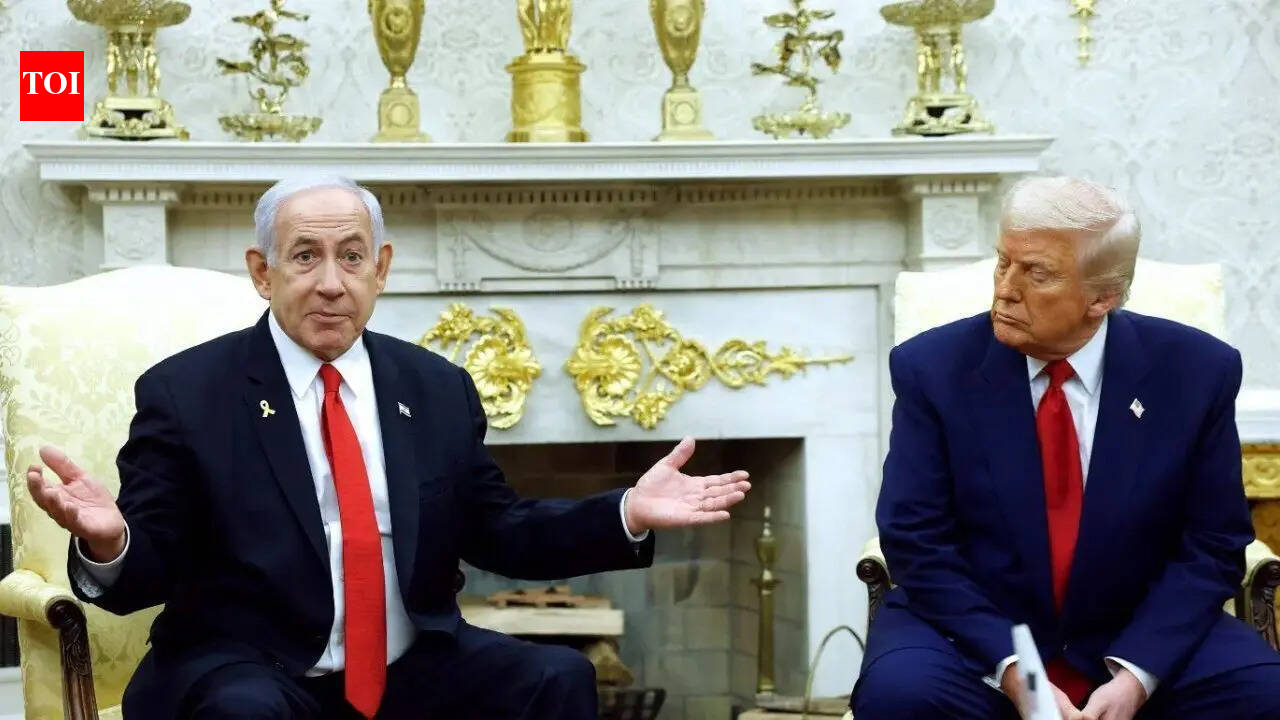
The complex and often tumultuous world of international diplomacy was once again thrown into the spotlight with a recent development involving two key global players: the United States and Israel. A report emerged suggesting that Israeli Prime Minister Benjamin Netanyahu was taken aback by a post from former U.S. President Donald Trump regarding Lebanon. This unexpected turn of events reportedly prompted Israel to seek clarification from the U.S. on the matter, highlighting the delicate nature of international relations and the potential for misunderstandings or miscommunications to have significant repercussions.
Understanding the Context: U.S.-Israel Relations
The relationship between the United States and Israel is one of the most enduring and significant alliances in the modern geopolitical landscape. Built on a foundation of shared democratic values, strategic interests, and historical ties, this alliance has weathered numerous challenges over the years, including conflicts, political upheavals, and shifts in global power dynamics. The U.S. has traditionally been a strong supporter of Israel, providing military aid, diplomatic backing, and economic assistance. This support is rooted in a belief in Israel's right to exist and defend itself, as well as in the strategic importance of Israel as a stable ally in a volatile region.
The Role of Lebanon in Regional Dynamics
Lebanon, a country situated on Israel's northern border, plays a critical role in the regional dynamics of the Middle East. Its political landscape is complex, with various factions and parties, including Hezbollah, a militant group backed by Iran that has been a significant point of contention between Israel and Lebanon. The presence of Hezbollah, which Israel views as a terrorist organization, has led to periodic clashes and a state of heightened tension between the two countries. The U.S. has also designated Hezbollah as a terrorist organization and has imposed sanctions on it, aligning with Israel's stance on the issue.
The Trump Post and Its Implications
The post by former President Trump, the exact content of which has not been detailed in the report, apparently touched on Lebanon in a manner that was surprising or concerning to the Israeli government. Given Trump's history of using social media to express his thoughts and policies directly, it's plausible that his comments could have been perceived as a shift in U.S. policy or an unconventional view on the situation in Lebanon. Trump's presidency was marked by a series of controversial foreign policy moves, including decisions related to the Middle East, such as the recognition of Jerusalem as Israel's capital and the withdrawal from the Iran nuclear deal. These actions were seen as strongly supportive of Israel but were also criticized for potentially destabilizing the region.
Seeking Clarification: A Diplomatic Imperative
The decision by Israel to seek clarification from the U.S. following Trump's post underscores the importance of clear and consistent communication in international relations. In the delicate balance of geopolitical alliances and rivalries, misunderstandings can have far-reaching consequences. Israel's move to clarify the U.S. position on Lebanon reflects a prudent approach to ensuring that its understanding of U.S. policy aligns with the intentions of the U.S. administration. This is particularly crucial in a region where perceptions of U.S. commitment and resolve can significantly influence the actions of allies and adversaries alike.
Implications for Regional Stability
The situation highlights the challenges of maintaining regional stability in the face of complex political and military dynamics. The Middle East, with its array of state and non-state actors, each with their own agendas and capabilities, presents a particularly daunting environment for policymakers. The potential for miscalculations or miscommunications to escalate into conflict is ever-present, making diplomatic clarity and coordination essential tools in the pursuit of peace and stability. The U.S., as a global leader, plays a pivotal role in this context, and its policies and statements are closely watched by allies and adversaries for signs of intent or shifts in posture.
Conclusion: Navigating the Complexities of International Diplomacy
In conclusion, the report of Netanyahu being shocked by Trump's post on Lebanon and Israel's subsequent request for clarification from the U.S. serves as a reminder of the intricate and often sensitive nature of international diplomacy. The episode underscores the importance of clear communication, consistent policy, and careful consideration of the potential impacts of public statements in the realm of foreign policy. As the global community continues to navigate the complexities of the 21st century, with its myriad challenges and opportunities, the ability of nations to engage in effective, respectful, and informed diplomacy will be crucial in shaping a more stable and prosperous world for all.
Future Prospects and Challenges
Looking ahead, the relationship between the U.S. and Israel, as well as the broader dynamics of the Middle East, will continue to evolve in response to internal and external factors. The Biden administration's approach to the region, including its stance on Israel, Lebanon, and Iran, will be closely monitored by allies and adversaries. The administration's efforts to reengage with international partners and to address pressing global challenges, such as the COVID-19 pandemic and climate change, may also influence the geopolitical landscape. Meanwhile, the ongoing political and economic challenges faced by Lebanon, including the impact of the Syrian civil war and internal political divisions, will require careful management to prevent further destabilization.
Diplomatic Engagement and Conflict Resolution
Diplomatic engagement and conflict resolution mechanisms will be essential in navigating these challenges. The international community, through organizations such as the United Nations and the European Union, has a role to play in supporting dialogue and cooperation among regional actors. Additionally, bilateral relationships, such as that between the U.S. and Israel, will remain critical in addressing specific issues and promoting mutual understanding. The use of diplomatic tools, including mediation, negotiation, and confidence-building measures, can help to reduce tensions and create an environment conducive to peace and stability.
Final Thoughts on a Delicate Balance
In final consideration, the delicate balance of international relations, particularly in regions as complex and volatile as the Middle East, demands a high degree of sensitivity, foresight, and cooperation among nations. The incident involving Trump's post on Lebanon and Israel's response serves as a poignant reminder of the potential for miscommunication and the importance of clarity in diplomatic interactions. As the world moves forward, navigating the intricacies of global politics with wisdom, empathy, and a commitment to peace will be paramount in achieving a more harmonious and secure world for future generations.