Introduction to Nasal Spray and Brain Aging
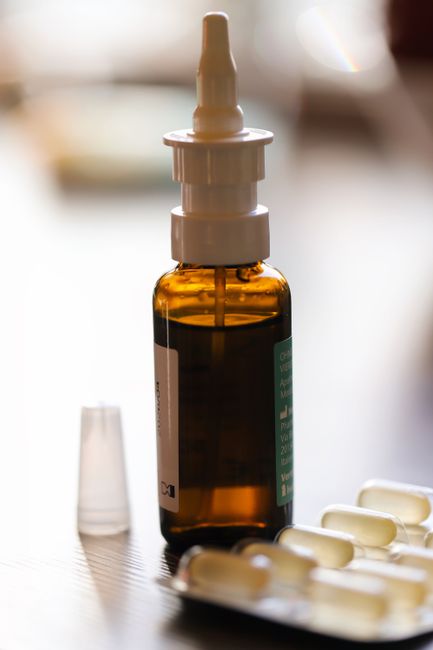
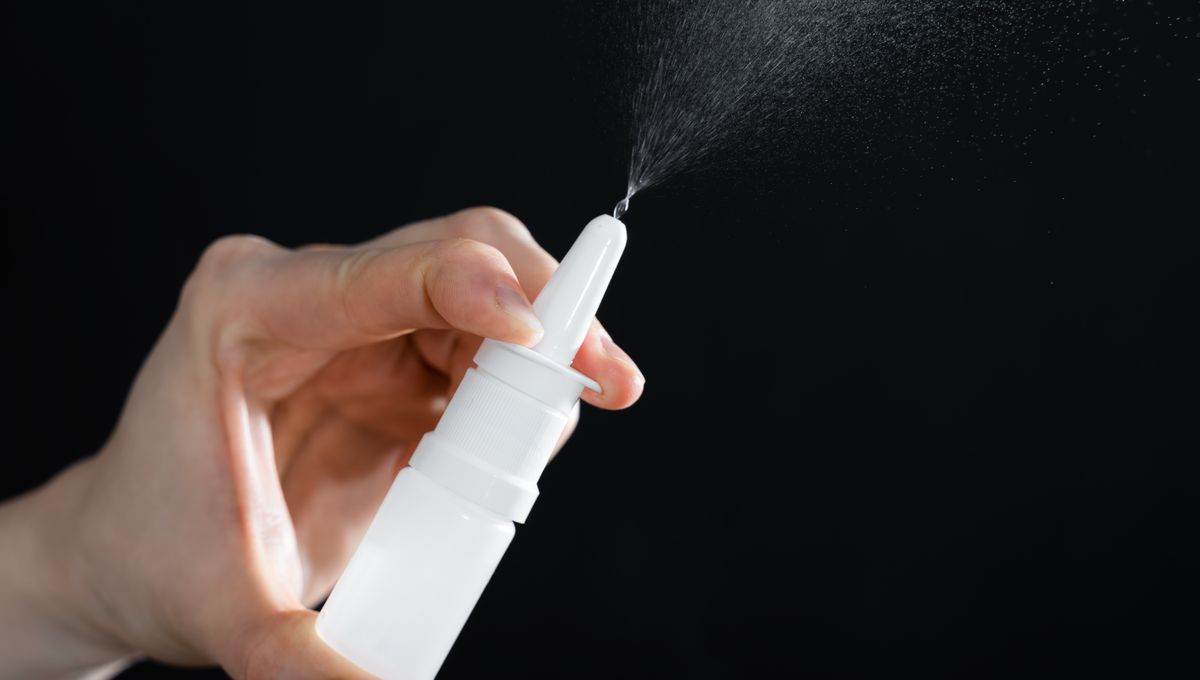
A groundbreaking study has revealed that a nasal spray could potentially reverse brain aging by lowering inflammation and re-energizing brain cells. This innovative approach has sparked significant interest in the scientific community, as it may offer a novel solution to combat age-related cognitive decline. The nasal spray, which contains a specific compound, has shown promising results in preclinical trials, and its potential implications for human health are substantial. In this report, we will delve into the details of the study, the underlying mechanisms, and the potential benefits of this nasal spray in reversing brain aging.
The Science Behind Brain Aging
Brain aging is a complex and multifaceted process that affects millions of people worldwide. As we age, our brains undergo a series of changes that can lead to cognitive decline, including memory loss, decreased attention span, and reduced processing speed. One of the primary drivers of brain aging is inflammation, which can cause damage to brain cells and disrupt normal brain function. Inflammation in the brain can be triggered by a variety of factors, including oxidative stress, genetic predisposition, and environmental toxins. Furthermore, as we age, our brain cells, or neurons, can become less efficient and less able to generate energy, leading to a decline in cognitive function.
The Nasal Spray: A Novel Approach to Reversing Brain Aging
The nasal spray, which contains a compound called nicotinamide adenine dinucleotide (NAD+), has been shown to have a profound impact on brain aging. NAD+ is a coenzyme that plays a crucial role in energy production within cells, and its levels decline significantly with age. By replenishing NAD+ levels, the nasal spray aims to re-energize brain cells and reduce inflammation. The study, which was conducted on animal models, demonstrated that the nasal spray was able to increase NAD+ levels, reduce inflammation, and improve cognitive function. The results were striking, with the treated animals showing significant improvements in memory, attention, and processing speed.
Lowering Inflammation: A Key Mechanism of the Nasal Spray
Inflammation is a major contributor to brain aging, and the nasal spray's ability to lower inflammation is a key mechanism by which it exerts its effects. The spray contains a specific compound that has anti-inflammatory properties, which helps to reduce the production of pro-inflammatory molecules in the brain. By reducing inflammation, the nasal spray is able to create a more favorable environment for brain cells to function properly. This, in turn, can lead to improved cognitive function and a reduction in age-related cognitive decline. The study found that the nasal spray was able to reduce inflammation in the brain by suppressing the activity of pro-inflammatory genes and promoting the activity of anti-inflammatory genes.
Re-energizing Brain Cells: The Role of NAD+
NAD+ is a critical coenzyme that plays a central role in energy production within cells. As we age, our NAD+ levels decline, leading to a decrease in energy production and an increase in oxidative stress. The nasal spray's ability to replenish NAD+ levels is a key mechanism by which it re-energizes brain cells. By increasing NAD+ levels, the spray is able to improve energy production, reduce oxidative stress, and promote the health and function of brain cells. The study found that the nasal spray was able to increase NAD+ levels in the brain, leading to improved energy production and reduced oxidative stress.
Potential Benefits and Implications
The potential benefits of the nasal spray are substantial, and its implications for human health are significant. If proven effective in humans, the nasal spray could offer a novel solution to combat age-related cognitive decline, including Alzheimer's disease and other neurodegenerative disorders. The spray's ability to lower inflammation and re-energize brain cells could also have implications for other age-related diseases, such as Parkinson's disease and stroke. Furthermore, the nasal spray's potential to improve cognitive function could have a significant impact on quality of life, allowing individuals to maintain their independence and continue to engage in activities they enjoy.
Future Directions and Challenges
While the results of the study are promising, there are still several challenges and uncertainties that need to be addressed. The study was conducted on animal models, and it is unclear whether the results will translate to humans. Further research is needed to determine the safety and efficacy of the nasal spray in humans, as well as its potential side effects. Additionally, the long-term effects of the nasal spray need to be studied, as well as its potential interactions with other medications. Despite these challenges, the nasal spray offers a promising new approach to reversing brain aging, and its potential benefits make it an exciting area of research.
Conclusion
In conclusion, the nasal spray offers a novel and promising approach to reversing brain aging. By lowering inflammation and re-energizing brain cells, the spray has the potential to improve cognitive function and reduce age-related cognitive decline. While further research is needed to determine the safety and efficacy of the nasal spray in humans, its potential benefits make it an exciting area of research. As the global population ages, the need for effective treatments for age-related cognitive decline becomes increasingly urgent. The nasal spray, with its potential to reverse brain aging, offers a glimmer of hope for millions of people worldwide, and its development is a significant step forward in the fight against age-related cognitive decline.