author: “Menshly Intelligence Board” authors:
- “menshly-intelligence-board”
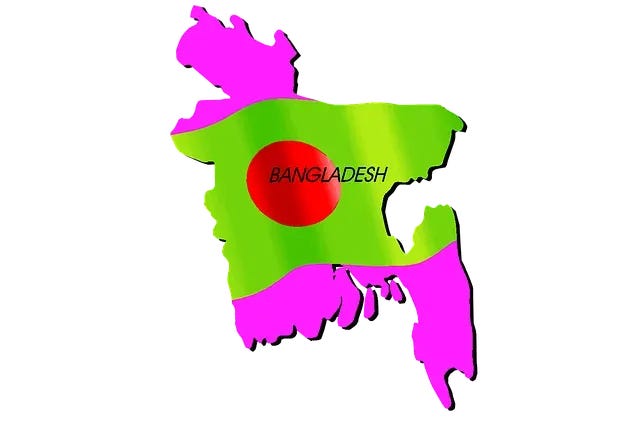
Bangladesh Measles Outbreak: A Growing Concern
Bangladesh has been grappling with a severe measles outbreak, with over 20,000 cases reported in just one month. The rapid spread of the disease has raised concerns among health officials, who are working tirelessly to contain the outbreak and prevent further transmission. The measles outbreak has affected several districts across the country, with the majority of cases reported in the capital city of Dhaka and its surrounding areas.
Causes of the Outbreak
The measles outbreak in Bangladesh is attributed to a combination of factors, including low vaccination rates, poor healthcare infrastructure, and a lack of awareness about the disease. Measles is a highly contagious disease that can spread quickly in areas with low vaccination rates, making it essential to maintain high vaccination coverage to prevent outbreaks. However, in Bangladesh, vaccination rates have been declining in recent years, creating an environment conducive to the spread of the disease.
Additionally, the country's healthcare system has been facing significant challenges, including a shortage of medical professionals, inadequate facilities, and a lack of resources. This has hindered the ability of health officials to respond effectively to the outbreak, exacerbating the situation. The lack of awareness about measles, its symptoms, and the importance of vaccination has also contributed to the spread of the disease, as many people are not taking necessary precautions to prevent transmission.
Response to the Outbreak
In response to the measles outbreak, the Bangladesh government has launched a nationwide vaccination campaign aimed at immunizing all children under the age of 10. The campaign, which is being supported by international organizations such as the World Health Organization (WHO) and the United Nations Children's Fund (UNICEF), aims to vaccinate over 30 million children across the country. Health officials are also working to strengthen the country's healthcare system, including providing training to medical professionals and improving facilities.
Furthermore, awareness campaigns are being conducted to educate the public about the risks of measles, its symptoms, and the importance of vaccination. The government is also working to improve access to healthcare services, particularly in rural areas, where the outbreak has been most severe. The response to the outbreak has been hindered by challenges such as a shortage of vaccines, inadequate funding, and logistical difficulties in reaching remote areas.
Impact of the Outbreak
The measles outbreak in Bangladesh has had a significant impact on the country, affecting not only the health of its citizens but also the economy and social services. The outbreak has resulted in a significant increase in hospitalizations, with many hospitals reporting a shortage of beds and medical supplies. The economic impact of the outbreak has been substantial, with many businesses and schools forced to close temporarily, resulting in lost productivity and revenue.
The outbreak has also had a disproportionate impact on vulnerable populations, including children, the elderly, and those with weakened immune systems. These groups are at a higher risk of complications from measles, including pneumonia, encephalitis, and death. The outbreak has also highlighted the need for improved healthcare infrastructure and services, particularly in rural areas, where access to medical care is limited.
International Response
The international community has responded to the measles outbreak in Bangladesh by providing support and assistance to the government. The WHO and UNICEF have been working closely with the government to provide technical assistance, vaccines, and other essential supplies. Other international organizations, such as the Centers for Disease Control and Prevention (CDC) and the European Centre for Disease Prevention and Control (ECDC), have also provided support and expertise to help contain the outbreak.
The international response has been critical in helping to mitigate the impact of the outbreak, and the government has appreciated the support and assistance provided by the international community. However, more needs to be done to address the root causes of the outbreak and to prevent future outbreaks. This includes improving vaccination rates, strengthening the healthcare system, and increasing awareness about the disease.
Conclusion
The measles outbreak in Bangladesh is a serious public health concern that requires immediate attention and action. The government, with the support of the international community, must work to contain the outbreak and prevent further transmission. This includes improving vaccination rates, strengthening the healthcare system, and increasing awareness about the disease. The outbreak has highlighted the need for improved healthcare infrastructure and services, particularly in rural areas, and the importance of maintaining high vaccination rates to prevent future outbreaks.
Furthermore, the outbreak has underscored the importance of global cooperation and support in responding to public health emergencies. The international community must continue to provide support and assistance to countries affected by outbreaks, including Bangladesh, to help mitigate the impact of the disease and prevent future outbreaks. By working together, we can reduce the risk of measles outbreaks and protect the health and well-being of communities around the world.
Ultimately, the measles outbreak in Bangladesh serves as a reminder of the importance of investing in healthcare infrastructure, improving vaccination rates, and increasing awareness about diseases. By taking proactive steps to prevent outbreaks and responding quickly and effectively to emergencies, we can reduce the risk of measles and other diseases, and protect the health and well-being of communities around the world.

